
Mark O’Connell, LCSW-R, MFA
Psychotherapist | Author | Educator
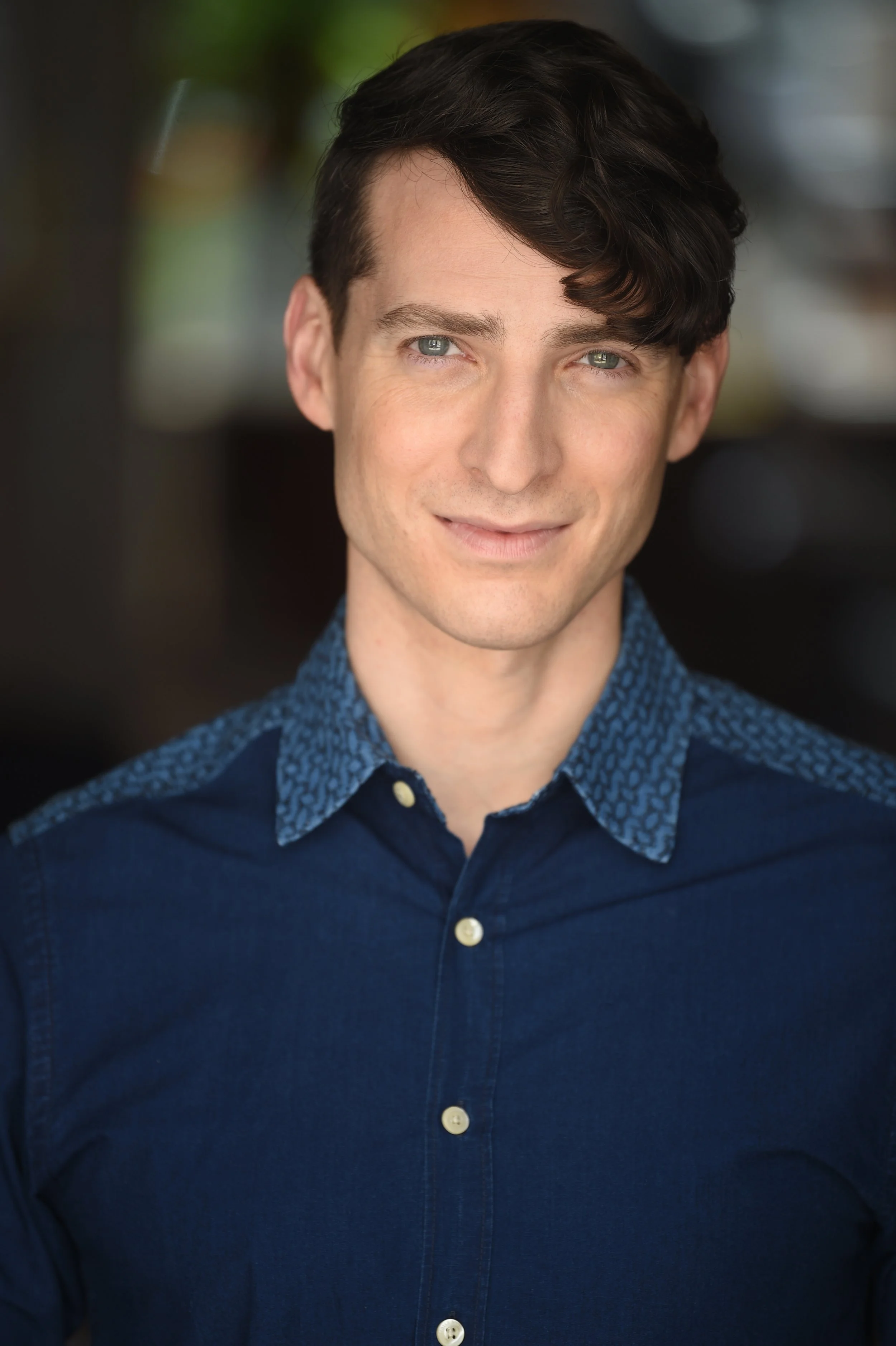
Photo by Jordan Matter
Why I Became a Therapist
At the heart of my work is listening — deep, curious, respectful listening. In the acting world in which I first trained, your scene partner is what matters most. In therapy, you’re the scene partner. I became a therapist because I wanted to invite the kind of presence, openness, attunement, and imagination that can only be born of someone else’s listening.
Many people come to therapy with a presenting “problem” or a question. “That’s what got you in the door” I often say, “In time we’ll discover why you’re really here.” My hope is that, over time, we’ll invite versions of you to be present that you tend to keep quiet and hidden; parts of you that you are afraid are “wrong.”
Because when you’re truly seen, heard, and allowed to show up exactly as you are, you can begin to discover a range of authentic possibilities for how you can be.
My Professional Journey
I hold a Master of Social Work (M.S.W.) from Silberman School of Social Work at Hunter College, and I’m a Licensed Clinical Social Worker practicing in New York City. I also trained as an actor (M.F.A.) at Trinity Rep Conservatory (now known as Brown/ Trinity) and bring that creative dimension into my therapeutic work.
Here are some highlights of what I’ve done:
Author of The Performing Art of Therapy: Acting Insights and Techniques for Clinicians (Routledge) and Modern Brides & Modern Grooms: A Guide to Planning Straight, Gay, and Other Nontraditional 21st Century Weddings (Skyhorse).
Popular and clinical writing in outlets such as Psychology Today, Psychotherapy Networker, The Huffington Post, Out Magazine, Psychoanalytic Inquiry, Journal of the American Psychoanalytic Association, among others.
International teaching and speaking on topics including relational presence, nonverbal communication, creative identity, clinical ethics and authenticity in therapy.
My background in both psychotherapy and the art of acting allows me to approach you not only as a clinician, but as a creative collaborator. In session, we’ll treat therapy more like a rehearsal — a space where you can experiment, respond, and discover.
I have received mentorship in relational psychotherapy with psychoanalysts Ken Corbett , Lewis Aron, I’ve studied couples therapy with Virginia Goldner and Sue Johnson, and I’ve pursued training in family systems, ACT, somatic therapy, and a number of other approaches with distinguished clinicians. I also offer clinical supervision and teach workshops for therapists on how to use our “instruments”/ ourselves, authentically in session.
Education:
Simon’s Rock College of Bard
SUNY Geneseo, BA in Theater and English
Trinity Rep Conservatory (now known as Brown/ Trinity Rep)
Silberman School of Social Work at Hunter College, MSW with honors
Post-Graduate Training:
Apprenticeship in relational psychotherapy and psychoanalysis with Ken Corbett , Phd
Mentorship and advanced study in relational psychoanalysis with Lewis Aron, Phd
Training in Acceptance and Commitment Therapy (ACT)
Experiential Apprenticeship in Couples Therapy with Dr. Virginia Goldner (from the award-winning Showtime docuseries Couples Therapy).
Certified Training in Emotionally Focused Therapy (EFT) with Dr. Sue Johnson
Mentorship and advanced study in family systems and psychoanalysis with Albert Sbordone, Phd
Experiential Workshops in Imago Relationship Therapy
Who I Work With
I work with adults, adolescents, couples, families, and professionals
who want to live and relate more authentically.
Individuals navigating anxiety, shame, identity, or creative and relational challenges. I have specialized experience working with:
Relational dilemmas—with family, partners, friends, and communities—in which people feel unseen, unheard, silenced, gaslit, and/ or scapegoated.
LGBTQ+ clients. As a queer man, I deeply understand the unique nuances, challenges, and joys of navigating life as a minority. A significant portion of my practice is dedicated to supporting queer individuals, particularly gay men. I believe therapy can be particularly impactful when you work with someone who truly shares and respects your lived experience, allowing you to feel fully seen without having to explain the basics of your identity.
Anyone feeling the weight of rigid gender expectations, whether dealing with the pain of sexism, male loneliness, and/ or cultural isolation.
Artists and performers — As a trained actor and professional writer, I understand the unique pressures of the creative world firsthand. I specialize in providing therapy tailored to artists and entertainment industry professionals navigating the highs and lows of their careers.
Adolescents — developing self-awareness, communication, and confidence in a rapidly changing world
Couples — Partners, family members, and friends seeking repair, deeper intimacy, or healthier patterns of connection
Families — working through conflict and cultivating mutual understanding
Therapists and helping professionals — exploring embodiment, supervision, or consultation
How I Work
Beyond the Therapy Room
When I’m not working with clients, writing, or teaching workshops, I enjoy spending time with my family and friends, engaging in creative projects, practicing yoga, playing tennis, and simply noticing what it means to show up fully in everyday life. These experiences keep me grounded and connected to what I bring into therapy: the real, messy, beautiful improvisation of living.
Let’s Begin
If something here speaks to you — if you’re ready for a space where you can be seen, heard, and attuned to — I invite you to reach out. You don’t need to have it all figured out. You simply need to bring yourself.